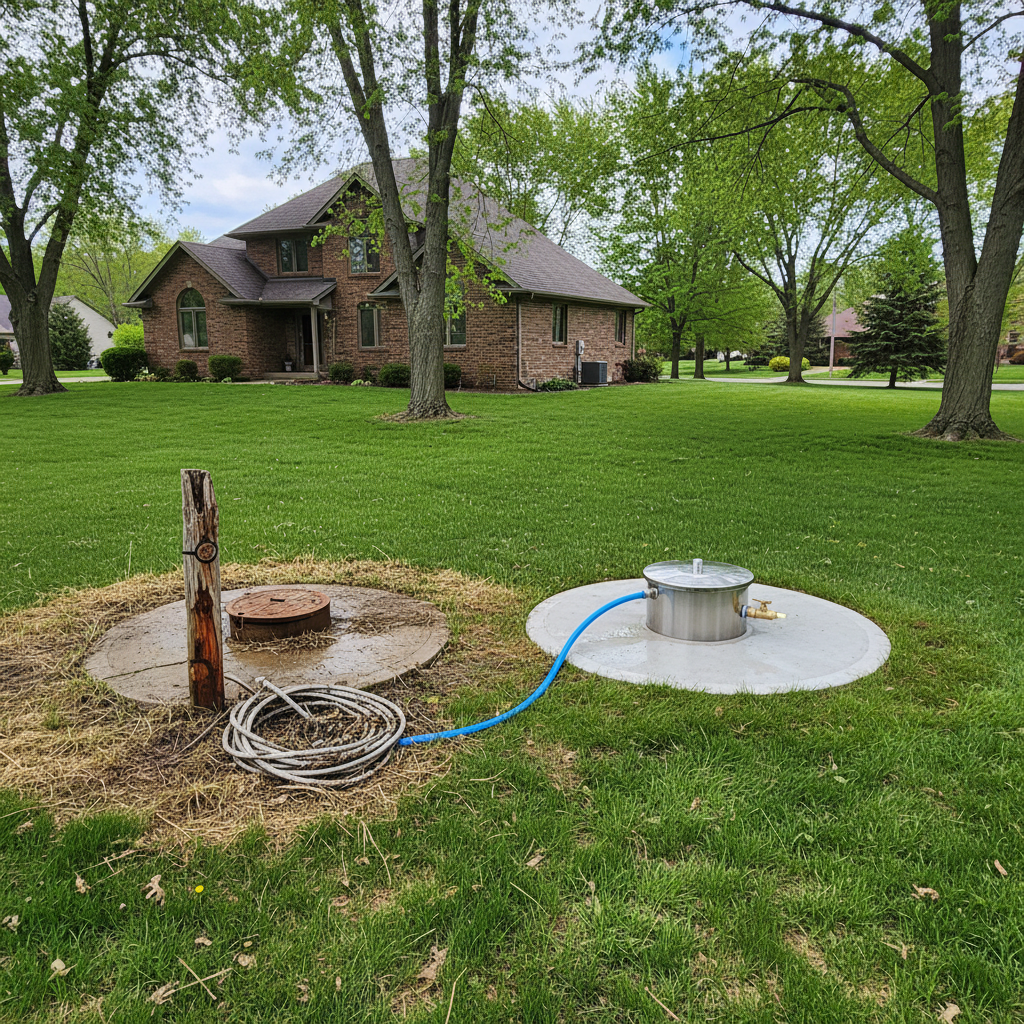
So, you're thinking about putting in a new well here in Kalamazoo. One of the first big questions that pops up — and it's a real head-scratcher for a lot of folks — is whether to go with a shallow well or a deep one. It's not always as simple as 'deeper is better' or 'cheaper is better,' especially with our Michigan geology, right? Let's break down what each option really means for you.
Shallow vs. Deep: What's the Real Difference?
When I talk about a 'shallow well,' I'm usually picturing something that taps into the first water-bearing aquifer. These are often less than 50 feet deep, sometimes even just 20 or 30 feet. They typically use a sand point or a driven well system, pulling water from closer to the surface. You'll often spot these in areas with sandy, permeable soil, like some of the older lakefront properties or homes built on glacial outwash plains around here.
A 'deep well,' on the flip side, is designed to go much, much further down, past that first aquifer — sometimes hundreds of feet. We're talking about drilling through layers of clay, gravel, and even bedrock to hit a more reliable, often more protected water source. These need a full-sized drilling rig, like the ones we operate at Mighty Well Drilling, and we case and seal them to keep surface water contamination out.
Cost: Upfront vs. What You Pay Later
Let's be honest: a shallow well almost always costs less to install upfront. There's less drilling involved, less casing, and it's usually quicker to put in. If you're on a tight budget and you happen to have a good, clean, shallow water table, it can look pretty appealing. But here's the catch: that lower upfront cost doesn't always mean lower long-term expenses.
Deep wells are definitely more expensive to install. You're paying for more footage drilled, more casing, and more powerful equipment, no question. However, that investment often pays off big time in reliability and water quality. That can save you money down the line on things like water treatment systems, or even having to drill a whole new well if your shallow one dries up or gets contaminated.
Water Quality and Reliability: A Big Deal Here in Kalamazoo
This is where things get serious, especially for us in Kalamazoo. Shallow wells are way more vulnerable to changes on the surface. Think about it: heavy rains, agricultural runoff from nearby fields, or even just what your neighbors are doing with their septic systems can all mess with that shallow water table. We've got a mix of residential and agricultural areas around here, and that means a higher risk for surface contamination in shallow aquifers. I've seen plenty of shallow wells test positive for coliform bacteria or have high nitrates, which means expensive filtration systems are needed.
Deep wells, because they're pulling from deeper, more confined aquifers, are generally much better protected from surface contamination. The water has filtered through many layers of earth, which works like a natural purification system. This usually means better, more consistent water quality right out of the ground. Plus, they're far less likely to run dry during droughts. While not a constant problem in Michigan, it can definitely happen. Imagine trying to shower when your well can't keep up – not fun, right?
Durability and Maintenance: What You Can Expect
A shallow well typically doesn't last as long as a deep well. The parts, especially the pump, might work harder if the water level jumps around, leading to more wear and tear. They can also be more prone to sediment issues if the sand point isn't installed just right, or if the aquifer is particularly silty. Maintenance might mean replacing the pump more often or cleaning out the sand point.
Deep wells, though, are built to last. The heavy-duty casing and professional installation mean they can stand up to the elements for decades. Their pumps are designed for deeper lifts and are generally tougher. While no well is completely maintenance-free, a deep well often needs less frequent attention, assuming it was installed correctly from the start. You'll still want to get your water tested regularly and have the system checked, but you're usually looking at fewer emergency calls.
Appearance and Space Considerations
This isn't a huge factor for most people, but it's worth a quick mention. A shallow well might just have a small cap at ground level or a simple well house. A deep well will have a wellhead sticking up from the ground, usually with a pitless adapter, and a pressure tank inside your home or in a dedicated well house. Neither is particularly unsightly, but if you're super sensitive about your yard's look, it's something to keep in mind.
My Recommendation for Kalamazoo Homeowners
Look, if you're asking me, and you're planning a new well for your primary residence in Kalamazoo, I almost always suggest a deep well. Yes, the upfront cost is higher, but the comfort you get from consistent, clean, and reliable water is worth every single penny. With the varied soil conditions we have — from sandy glacial deposits to heavier clays — and the potential for agricultural or urban runoff, a deep well offers the best protection and long-term value.
I've seen too many homeowners regret taking the cheaper, shallow route only to run into water quality issues, low pressure, or even a dry well a few years down the line. Then they end up paying to drill a new, deep well anyway. It's kind of like buying a cheap roof – you save money now, but you'll pay for it later, often at a higher price. Invest in your water source; it's one of the most important systems in your home. Give us a call at Mighty Well Drilling, and we can come out, check out your property, and give you an honest recommendation based on what we find on your specific lot.