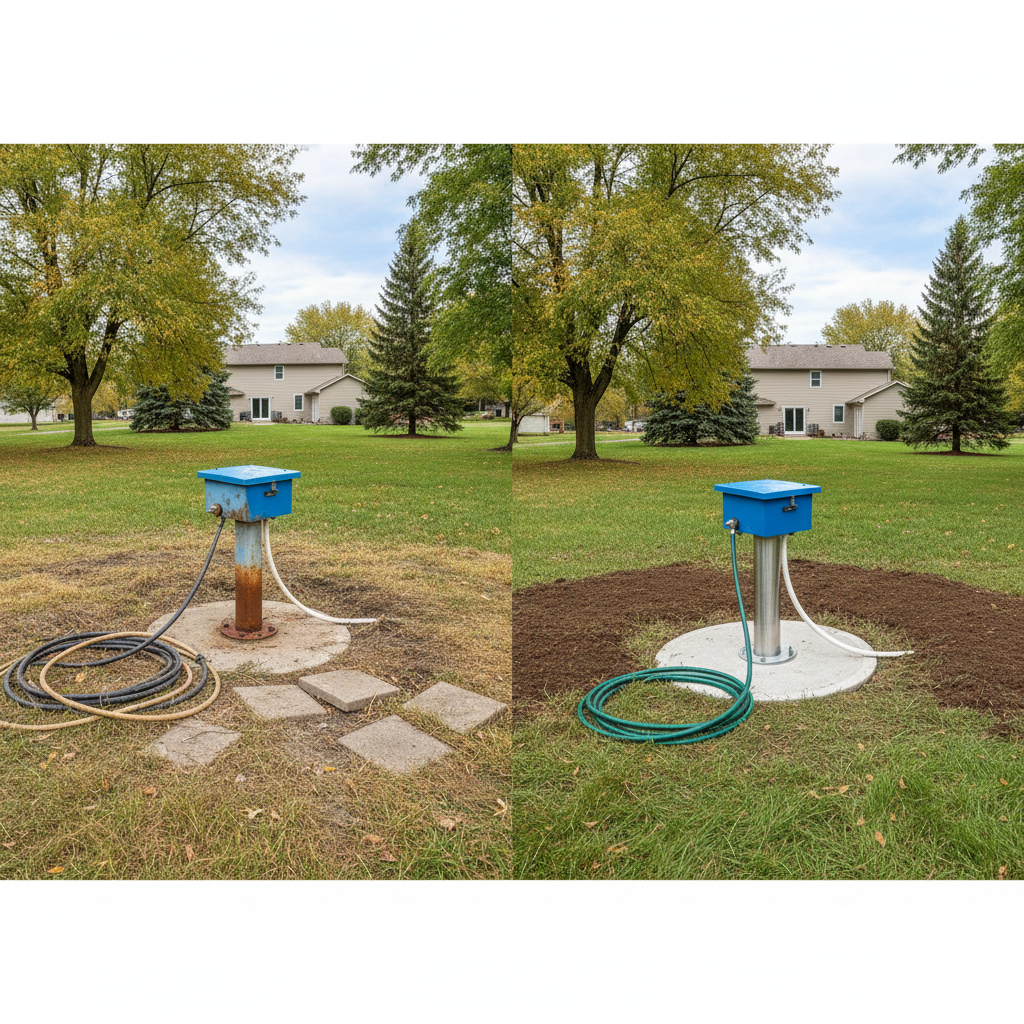
So, you're putting in a new well. You've probably heard a bit about different casing materials, right? The question I get asked most often is, "Should I go with steel or PVC for my well casing?" It's a totally fair question, and honestly, there isn't one single "best" answer for everyone. It really just depends on your specific situation, the ground we're drilling into, and what you're hoping for in the long run. Let's break down what I've learned working with both here in Kalamazoo.
Steel Well Casing: The Old Reliable
For decades, steel was *the* material for well casings, and for good reason. It's incredibly strong. When we're drilling through tough spots, like some of the dense clay layers or even bedrock we hit around the Oshtemo area, steel really holds its own. It can take a beating during installation without cracking or collapsing, which is a huge plus when you're pushing it deep into the earth, you know?
Here's what I like about steel:
- Toughness: Steel is just plain tough. It resists outside pressure from shifting soils and can handle impacts during installation better than PVC. This means less chance of the casing failing down the road.
- Confidence During Installation: When I'm drilling, especially in areas where I expect some challenging geology, I just feel better pushing steel. It's less likely to buckle or break.
- Long-lasting (mostly): A properly installed steel casing can last a very, very long time. We're talking many decades.
Now, it's not all perfect. The main downsides to steel are the cost and the chance of corrosion. Steel is usually more expensive upfront than PVC. And while it's tough, it can corrode over time, especially in certain soil conditions or if the water chemistry is aggressive. This isn't usually a problem for the first 20-30 years, but eventually, it can become an issue. Also, you definitely don't want to use steel casing if you're planning to install a submersible pump made of different metals; that can speed up corrosion through electrolysis.
PVC Well Casing: The Newer Kid on the Block
Polyvinyl chloride, or PVC, has become a really popular choice for well casings, especially over the last few decades. It's lighter, easier to handle, and often cheaper. For many jobs, it's an excellent option, and we install plenty of PVC casing right here at Mighty Well Drilling.
Here's why PVC often makes sense:
- Budget-Friendly: Generally, PVC costs less to buy and install than steel. This can really help with your overall project budget.
- No Rusting: This is a big one. PVC doesn't rust or corrode. If you've got aggressive groundwater or soil conditions that would eat away at steel, PVC is a fantastic alternative. It won't put rust particles in your water either.
- Smooth Inside: The smoother interior surface of PVC can sometimes mean slightly better water flow, though this is usually a pretty minor point for most home wells.
But, PVC isn't totally indestructible. Its main weakness is its strength — or lack of it — compared to steel. It's more brittle and can crack or collapse under extreme pressure or if it gets hit hard during installation. If we hit a really hard, rocky layer or an unstable formation, there's a higher risk of damaging PVC casing. That's why a careful site assessment and good drilling technique are super important when we use it.
My Advice for Kalamazoo Homeowners
So, which one should you pick? For typical Kalamazoo conditions, where we often find sand, gravel, and clay, PVC is usually what I recommend for residential wells. It's affordable, won't corrode, and gives you great water quality. Most of the time, the ground isn't so extreme that PVC can't handle it, especially with the right drilling techniques.
However, there are definitely times when steel is the better, safer bet. If we're drilling into known bedrock, or through very unstable, shifting ground, or if there's a history of tough drilling in your specific neighborhood, then steel might be the smarter investment for long-term peace of mind. For example, some of the older homes in areas like the Westnedge Hill neighborhood might have deeper, more challenging geology that could really benefit from steel's strength.
Ultimately, the best approach is to have us come out and take a good look at your site. We'll check geological surveys, chat about your budget, and discuss your long-term plans for the property. We'll give you an honest assessment of what we think will work best for your new well, making sure you get clean, reliable water for years to come.