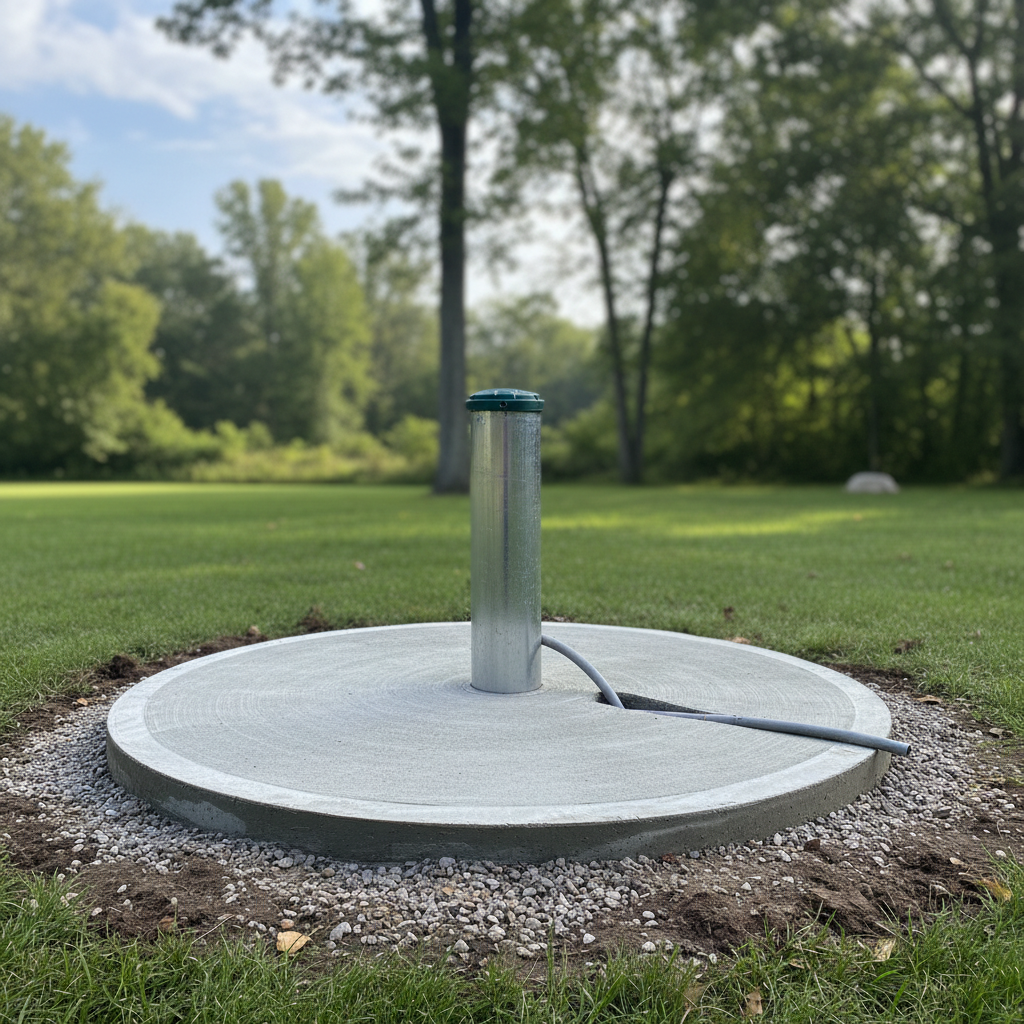
So, you're thinking about putting in a new well at your place here in Kalamazoo. Maybe you're building a new home out in the country, or perhaps you've just had enough of those city water bills and want your own supply. Whatever's driving you, getting a well installed is a big project, and you've probably got a ton of questions. Well, I'm here to lay out what you need to know, straight from my perspective as someone who does this kind of work every single day.
Before We Even Start Drilling
This is where most of your initial legwork happens, and honestly, some of the most crucial decisions get made. You can do a lot of research on your own before you even pick up the phone to call a driller, and trust me, it'll make the whole process go a lot smoother.
- Know Your Property: Where exactly do you want the well? You can't just stick it anywhere, you know. There are specific setback rules from septic systems, property lines, and anything that could potentially contaminate your water. We're talking about things like needing 50 feet from a septic tank, 10 feet from a property line, sometimes even more depending on the exact situation. You'll definitely need to know where your septic system is, or where it's planned to go if you're building new.
- Water Needs: How much water do you actually need? A small cabin might get by with a lower yield, but a family home with multiple bathrooms, a sprinkler system, and maybe even a garden will demand a pretty steady supply. Always think about your peak usage.
- Permits, Permits, Permits: This isn't something you can just skip. In Kalamazoo County, you absolutely need a permit from the health department before any drilling can even begin. They'll review your site plan, make sure everything meets the regulations, and then give us the go-ahead. This isn't a DIY job for you; your driller will handle the permit application, but it's important you understand it's a necessary step in the process.
- Budget: This is a big one, no doubt. Well drilling isn't cheap, and the cost can swing wildly depending on how deep we have to drill, the type of soil we encounter (some of that glacial till we have around here can be brutal), and the specific pump system you pick. Get a few quotes, but please, don't just go for the cheapest option. You really want experience and a solid reputation behind the work.
During the Drilling Process
Once we've got the permits squared away and a plan in place, that's when Mighty Well Drilling steps in and gets to work. This part, I can assure you, is absolutely not a DIY project. We're talking about heavy machinery, specialized knowledge, and safety protocols that only trained professionals can manage.
- Site Prep: We'll need clear access for our drilling rig. That means a path wide enough and sturdy enough for a really big truck. If you've got trees or bushes in the way, you might need to clear those out beforehand.
- The Drilling Itself: This is the part where we actually make a hole in the ground. We use different methods depending on the local geology. Here in Michigan, we often hit a mix of sand, gravel, and clay, and sometimes even bedrock. We're searching for an aquifer that can give you a reliable water source. It can be noisy, and there will be some mud and mess, especially if we hit a lot of wet sand. We do our best to keep things contained, but it is, after all, a construction site.
- Casing and Screen: Once we hit water, we install casing to keep the well bore open and prevent contamination. Then, a well screen goes into the water-bearing zone to filter out sand and gravel, letting only water in.
- Grouting: We'll grout around the casing to seal off the well from any surface contaminants. This is a super critical step for keeping your water clean and safe.
- Pump Installation: After drilling and developing the well, we install the pump, pressure tank, and all the necessary plumbing to get the water right into your house. This includes electrical hookups, which absolutely must be done by a licensed professional.
After the Well is In
The drilling's done, the water's flowing, but your job isn't quite finished yet. There are a few more things you need to do to make sure your new well stays safe and reliable.
- Water Testing: This is non-negotiable. Before you drink a single drop, you need to get your water tested. The Kalamazoo County Health Department will require an initial test for bacteria (coliform and E. coli) and nitrates. You might also want to test for things like arsenic, lead, or hardness, especially if you're in an older area or close to agricultural land. We can help you set this up, or you can contact the health department directly.
- Disinfection: After installation and testing, the well system will get disinfected, usually with chlorine, to kill any bacteria that might have been introduced during the drilling process. You'll flush this out before you start using the water.
- Maintenance: While wells are generally pretty low maintenance, they aren't entirely maintenance-free. You'll want to test your water annually for bacteria, and keep an eye on your pressure tank and pump. If you notice any changes in water pressure, taste, or smell, don't just ignore it. That's your cue to give us a call.
- Understanding Your System: Know where your shut-off valves are, how to reset your pressure switch, and generally how your system works. This knowledge can actually save you a service call for a simple issue.
Getting a new well is a significant investment, but it hands you control over your water supply and can really boost your property's value. If you're thinking about it, just give us a call at Mighty Well Drilling. We've been doing this for years, and we're always happy to answer your questions and walk you through the specifics for your property.