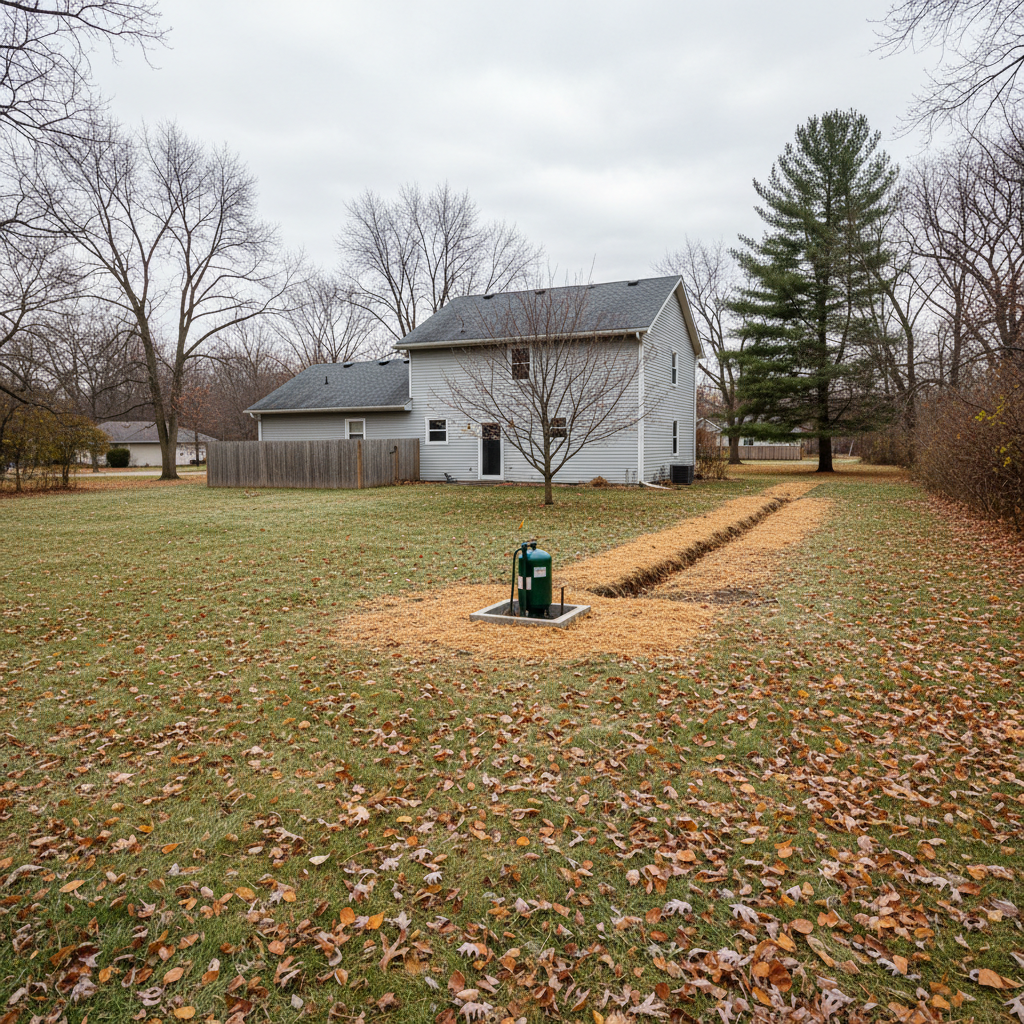
When's the best time to drill a well? That's a question I get asked a lot, and honestly, there's no single perfect answer. But after years of digging around Kalamazoo, I can tell you there are definitely better times than others. Understanding our local weather patterns makes a big difference, too.
Why Timing Matters for Your Well Project
It's not just about when I'm available. It's about what the ground is doing, what the weather's like, and how all that impacts the cost and efficiency of the job. You wouldn't pour concrete in a blizzard, right? The same goes for well drilling, though our reasons are a bit different.
Spring: A Mixed Bag
Spring in Kalamazoo, usually April and May, can be a good time. The ground's thawed out, which is a huge plus after a long winter. Drilling through frozen earth is slow, hard work, and it can be tougher on equipment. That ultimately costs you more. Plus, the water table is often pretty high from snowmelt and spring rains, meaning we're less likely to hit dry pockets. You'll find that the soil in areas like Oshtemo Township, with its mix of sandy loams and heavier clays, handles spring drilling pretty well once the frost is out.
The downside? Mud. Lots of mud. If we get a particularly wet spring, your yard can turn into a real mess. Accessing the site can be tough for our heavy equipment, and it just makes everything slower. So, if you're thinking spring, keep an eye on the forecast and be prepared for some muddy tracks, okay?
Summer: Often the Sweet Spot
For a lot of folks, summer, especially June through August, is ideal. The ground is dry and firm, making it easy for us to move equipment around your property without tearing things up too badly. The weather's generally stable, so we're not battling rainouts or sudden freezes. This means we can usually get the job done more efficiently, and that often translates to a smoother project for you.
However, everyone else thinks summer is the sweet spot too! So, our schedule at Mighty Well Drilling can fill up fast. If you're planning a summer well project, you'll want to call us well in advance to get on the books. Also, if we hit a really dry spell, the water table might drop a bit, but for finding good water, it's usually not a major issue.
Fall: A Strong Contender
Early fall, September and October, is another excellent window. The ground is still relatively dry and firm, and the temperatures are usually pleasant. You avoid the peak summer rush, and the conditions are generally favorable for drilling. We don't usually see the heavy rains of spring, and the ground hasn't frozen yet.
Late fall, however, can get tricky. Once November hits, we start looking at the possibility of ground freezing, and then we're back to the challenges of winter drilling. So, if you're aiming for fall, the earlier the better.
Winter: Proceed with Caution
Can we drill in winter? Yes, we can. But it's usually not my first recommendation unless it's an emergency or absolutely necessary. Drilling through frozen ground is a beast. It's slower, harder on our equipment, and often costs more due to the extra time and effort involved. Plus, cold weather can make it difficult to work with certain materials, and getting water lines hooked up without freezing can be a real challenge.
If you're in a bind and need a winter well, we'll do it. But we'll talk through all the potential hurdles and costs upfront. It's just not as straightforward as drilling in warmer months.
Protecting Your Investment Year-Round
No matter when your well gets installed, you've got to protect it. Here are a few things I always tell folks:
- Keep an eye on the well cap: Make sure it's secure and free from damage. You don't want critters or debris getting into your water supply, do you?
- Watch for pooling water: If you see water pooling around your wellhead, that's a red flag. It could mean your casing isn't sealed right or there's an issue with drainage. Get it checked out.
- Clear the area: Don't plant shrubs or trees too close to your well. Roots can cause problems, and you need clear access for maintenance or repairs.
- Winterize smart: If you have an outdoor spigot connected to your well, make sure it's properly drained or insulated before the Kalamazoo winter really sets in. Freezing pipes are a pain nobody wants.
Ultimately, the best time for your well project depends on your specific situation and property. But by understanding how our local climate impacts the work, you can make a more informed decision and ensure your well serves you well for years to come. Give us a call at Mighty Well Drilling when you're ready to talk through your options.