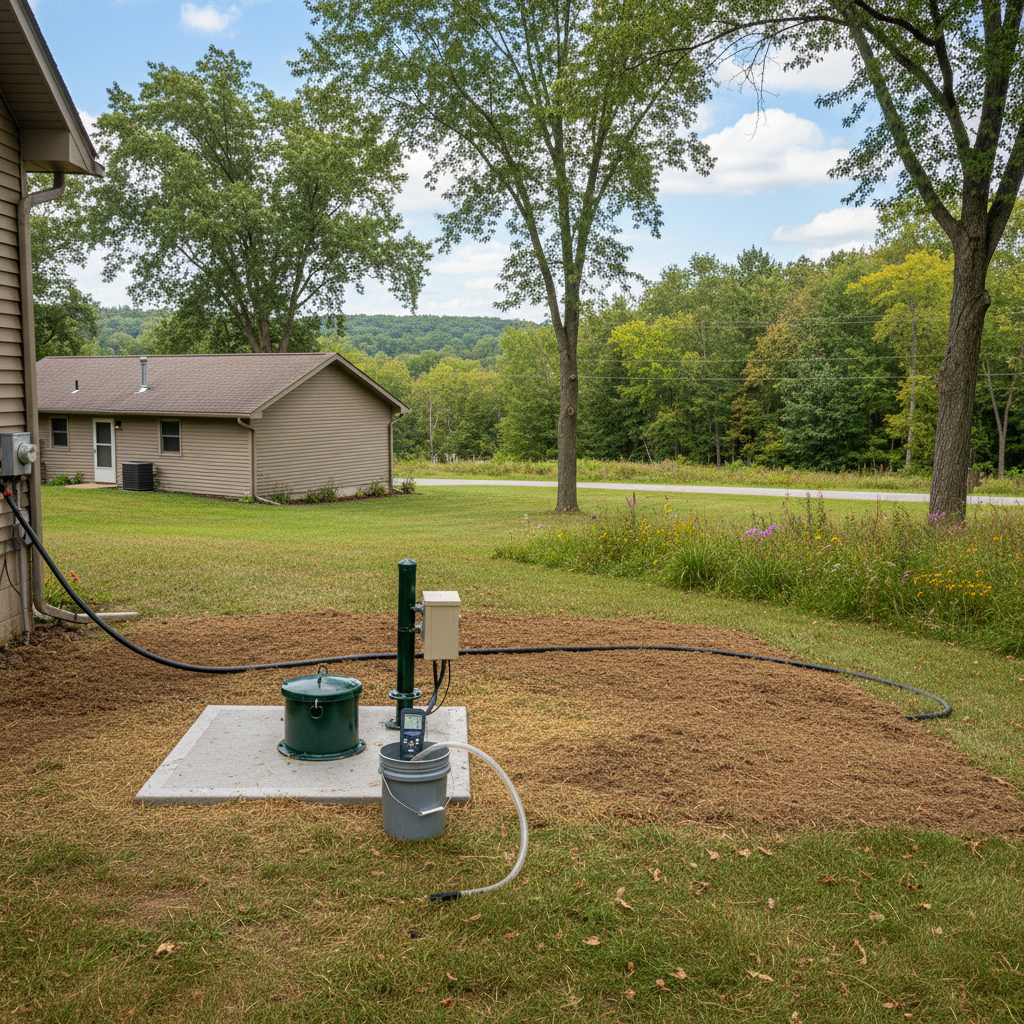
So, you're looking to get your water tested. Maybe you've noticed a funny smell, or you're just being proactive about your family's health. Good for you! It's one of those things a lot of folks put off, but it's super important, especially if you're on a private well here in Kalamazoo. I've seen all sorts of situations over the years, from homes near agricultural runoff to older houses in neighborhoods like Westnedge Hill with aging pipes. Getting your water tested properly isn't just about sticking a cup under the tap; it's a whole process. Let me walk you through what you can expect and how to make sure you're getting it done right.
The Water Testing Timeline: What to Expect
People often ask me, "How long does this whole water testing thing take?" It's not an instant answer, but I can give you a pretty good idea. Generally, from the moment you decide to get it done to when you have solid results in hand, you're looking at a couple of weeks, maybe a bit more depending on what you're testing for.
- Initial Contact & Scheduling: This is usually quick. You call us, we chat about what you're concerned about – lead, bacteria, hardness, whatever. We'll figure out what tests make the most sense for your situation. We'll try to get you on the schedule within a few days.
- The Sampling Visit: This is where we come out to your place. It usually takes less than an hour. We're not just grabbing water from any faucet; we follow strict protocols to ensure the samples are valid. We might take samples from different points in your system, like right from the wellhead and then from a kitchen faucet.
- Lab Analysis: This is the longest part. Once we've collected the samples, they go to a certified lab. Depending on the specific tests, results can take anywhere from 3-5 business days for basic bacteria tests to 7-10 business days, or even longer for more complex chemical analyses.
- Results & Review: When the lab sends us the report, we'll get it to you. This is where Mighty Well Drilling really shines – we don't just hand you a bunch of numbers. We'll sit down, or chat over the phone, and explain what everything means in plain English. We'll tell you if there's anything to worry about and what your options are if there is.
So, plan for about two weeks from start to finish. Don't wait until you're selling your house next month to get this done, because that's just asking for stress.
How to Prepare for Your Water Testing Appointment
You don't need to do a ton of prep work, but a little bit helps us do our job efficiently and ensures accurate results.
- Access to the Wellhead & Faucets: Make sure we can easily get to your wellhead if you have one. Clear away any garden hoses, tools, or overgrown bushes. Inside, we'll need access to a few faucets, usually the kitchen cold water tap and maybe a bathroom. Don't run any water for a few hours before we arrive, if possible. This lets the water sit in your pipes, giving us a more representative sample of what you're actually drinking.
- Information About Your Property: It's helpful if you know a bit about your well's history. When was it drilled? Have you had issues before? Any recent changes to your property or your neighbors' that might affect water quality, like new septic systems or construction? Even if you don't know it all, tell us what you do know.
- Questions Ready: Jot down any specific concerns you have. Are you worried about lead because your house was built in the 50s? Do you have hard water spots everywhere? The more information you give us, the better we can tailor the testing.
Questions to Ask Before Signing a Contract
Alright, this is crucial. You're inviting someone onto your property and trusting them with something important. Don't just go with the first name you see. Ask these questions:
- Are you licensed and insured for water testing in Michigan? This is non-negotiable. You want a professional who knows the regulations and is covered in case anything goes wrong.
- What specific contaminants will you be testing for? Don't just accept a generic "water test." Make sure they're testing for things relevant to your concerns and local conditions, like coliform bacteria, nitrates, lead, arsenic, or hardness.
- Which lab do you use, and is it state-certified? The lab is just as important as the sampler. You want an accredited lab that follows strict quality control.
- How will the samples be collected and transported? There are specific procedures for this to prevent contamination or degradation of the sample. A good contractor will be able to explain their process clearly.
- What's included in the price? Get a clear breakdown. Does it include the sampling, lab fees, and a consultation to review the results? Are there any hidden fees?
- What happens if the results show a problem? A good contractor won't just give you bad news and leave you hanging. They should be able to explain potential solutions and next steps, whether it's a filtration system, well repair, or something else.
Getting your water tested is a smart move for any homeowner, especially around here. It gives you peace of mind and helps you protect your investment and your family's health. Don't hesitate to reach out if you've got more questions. That's what we're here for.