What exactly is geothermal drilling, anyway?
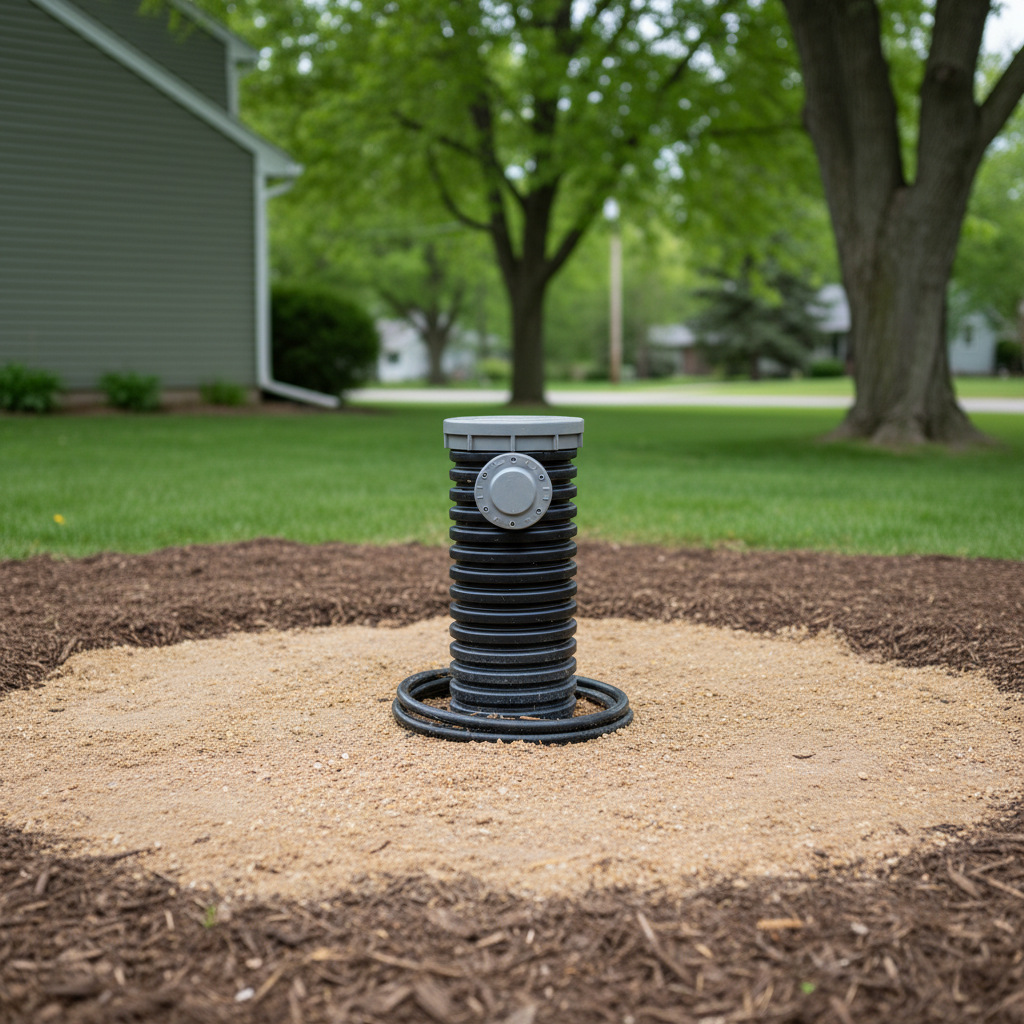
Alright, let's cut to the chase. When we talk about geothermal drilling for a home heating and cooling system, we're not actually looking for water, like with a regular well. Instead, we're building a loop system that taps into the earth's naturally stable temperature. Just a few feet down, the ground stays around 50-55 degrees Fahrenheit all year round. Doesn't matter if it's 90 degrees in July or ten below zero in January, that temperature holds steady. We drill vertical boreholes, usually somewhere between 150 and 300 feet deep, then we install special piping into them. These pipes form a closed loop, circulating a water-antifreeze solution. This solution picks up heat from the earth in winter and dumps heat into it in summer, all powered by a geothermal heat pump inside your house. It's a pretty smart setup once you get the hang of it.
How many boreholes will my house need, and how deep do they go?
That's one of the first things people ask, and it's a good question because it really shapes the whole project. There isn't a single answer that fits everyone, unfortunately. The number and depth of boreholes depend on a few key things: how big your home is, how well it's insulated, your specific heating and cooling needs, and even the soil conditions right on your property. A typical residential system might need anywhere from two to eight boreholes, each going down 150 to 300 feet. For example, a well-insulated 2,000 square foot home might need three or four 200-foot bores. A bigger, older home with less insulation — maybe one of those beautiful places in the Westnedge Hill area — could need more. We do a heat loss/gain calculation for your house to figure out the exact load, and that tells us just how much ground loop capacity you'll need. It's all about making sure the system is a perfect match for your house's energy demands.
What kind of equipment do you use, and how disruptive is the drilling process?
We use specialized drilling rigs, pretty similar to what we use for water wells, but often a bit more compact for residential geothermal jobs. These rigs are heavy-duty machines, so yes, there will be some disruption. We're talking about a truck-mounted rig, a support truck, and a crew. We'll definitely need clear access for these vehicles to get to the drilling site. You can expect some noise during drilling, especially when we're breaking through rock or using air hammers. It's not an all-day, every-day thing for weeks on end, though. For a typical residential system, the drilling itself usually takes a few days to a week, depending on how many bores we're putting in and what the ground is like. We always try our best to minimize the impact on your landscaping, but you should prepare for some disturbance right around the drilling area. We'll go over all of that during the site visit so you know exactly what's coming.
Will drilling affect my existing well or septic system?
This is a big concern for many homeowners, and it's a completely valid one. The short answer: it shouldn't, if we do it right. We take great care when planning the layout of the geothermal loops to avoid any conflicts with your existing infrastructure. Before we even think about drilling, we'll need to know the exact spots of your well, septic tank, and drain field. We keep specific setbacks from these systems to make sure there's no interference. For instance, we wouldn't drill a geothermal bore within ten feet of your well casing, and we'd keep a good distance from your septic components. The geothermal loops are a closed system, so there's absolutely no risk of contamination. We're not pulling water out of the ground or putting anything back into the aquifer. It's all about heat exchange, pure and simple. We'll also check for any underground utilities before we even start, so there are no surprises.
What are the ground conditions like in Kalamazoo for geothermal drilling?
Kalamazoo's geology is pretty varied, which means we see all sorts of ground conditions. We've got areas with a lot of sand and gravel, especially closer to the river or those old glacial outwash plains. Then you hit spots with more clay, and in some parts, particularly as you head east or south, you'll run into bedrock closer to the surface. This mix affects how easy — or tough — the drilling is. Sandy soils can be prone to caving in, which means we need special drilling techniques. Clay can be slower to drill through but is generally more stable. Hitting bedrock means we'll use a different kind of drill bit and technique, which can sometimes take a bit longer. We always do a thorough site assessment, and if there's any doubt, we might even suggest a test bore to get a better understanding of what's beneath your specific property before we commit to the full project. Knowing what we're up against helps us give you an accurate quote and timeline, you know?
How long do the geothermal loops last once they're in the ground?
This is where geothermal really shines when it comes to longevity. The loops themselves, the piping we put in the ground, are made of high-density polyethylene (HDPE). This material is incredibly durable and built to withstand the underground environment for a very, very long time. We're talking 50 years, 75 years, even 100 years or more. Seriously. Once those pipes are in the ground and properly installed, they're pretty much maintenance-free. The heat pump unit inside your house, that's a different story; it's more like a traditional furnace or AC unit in terms of lifespan, usually 20-25 years with proper maintenance. But the heart of the system — those ground loops — they're built to outlast you and your house. That's a big part of the long-term value proposition for geothermal.
If you're thinking about geothermal for your home, don't hesitate to reach out to us at Mighty Well Drilling. We've been doing this for a long time, and we're always happy to answer more questions and give you an honest assessment of what's possible for your property.