Ever heard the term 'environmental drilling' and wondered what the heck it means for your place? It's not as scary or complicated as it sounds, truly, but it's definitely something you need to know about if there's any chance of soil or groundwater contamination on your property. Think old buried oil tanks, industrial spills from way back, or even just weird stuff showing up in your soil tests. It's all about figuring out what's down there without tearing up your whole yard.
What Is Environmental Drilling, Anyway?
Basically, environmental drilling is a specialized way to take samples of soil, rock, and groundwater from beneath the surface. We're not drilling for water to drink here; we're drilling to investigate. We're looking for contaminants, trying to figure out how far they've spread, and sometimes, even installing monitoring wells to keep an eye on things over time. It's kind of like taking a blood sample, but for the earth under your feet.
You might need this service if you're buying or selling a property with a history of commercial use, or if a neighbor had a spill. Maybe you've got an old, abandoned fuel tank on your land. Sometimes, the city or state environmental agencies might even require it if they suspect an issue, which happens more often than you'd think.
Before the Drills Start Turning: Your Homework
This is where you, the homeowner, come in big time. You can save yourself a lot of headaches and money by doing some legwork upfront.
Know Your Property's History: What was on your land before your house? Old gas stations, dry cleaners, factories, even agricultural land can leave a legacy. Dig into old city records, Sanborn maps, and even talk to long-time neighbors. This info is gold.
Check for Underground Utilities: This is non-negotiable. Before anyone even thinks about drilling, you absolutely MUST call 811, the Miss Dig System, to get all underground utilities marked. Gas lines, power cables, water mains – hitting one of these isn't just expensive, it's dangerous. Don't skip this step. Ever.
Understand the Goal: Why are you drilling? Is it for a Phase II Environmental Site Assessment for a property transaction? Or are you trying to delineate a known spill? Knowing the 'why' helps us determine the 'how' and 'where.'
Access and Logistics: Can a drilling rig get to the spot? Our rigs aren't tiny, you know. We need clearance for height and width, and a solid path. Think about overhead power lines, septic fields, and even that prize-winning rose bush. Sometimes we have to get creative, but it's good to think about this early.
What you can't do yourself is actually *do* the drilling. That's where pros like us at Mighty Well Drilling come in. We've got the specialized equipment and training for this kind of work. It's not like drilling a fence post.
During the Project: What to Expect
When we show up, it's going to look a bit like a construction site, just on a smaller scale. Here's a rundown:
Site Setup: We'll set up our rig, make sure everything's secure, and put down protective mats if needed to minimize impact on your lawn. We're pretty careful, especially around those older homes in the Westnedge Hill area with their established landscaping.
The Drilling Itself: We use different methods depending on what we're looking for and the soil conditions. Sometimes it's auger drilling, sometimes it's direct push technology. The goal is to get those samples with as little disturbance as possible. We'll collect soil samples at different depths, and if we hit groundwater, we'll collect water samples too.
Sample Handling: This is critical. Environmental samples need to be handled very carefully to prevent contamination and preserve their integrity. We use special containers, keep them cool, and get them to an accredited lab quickly. This isn't something you want to mess around with.
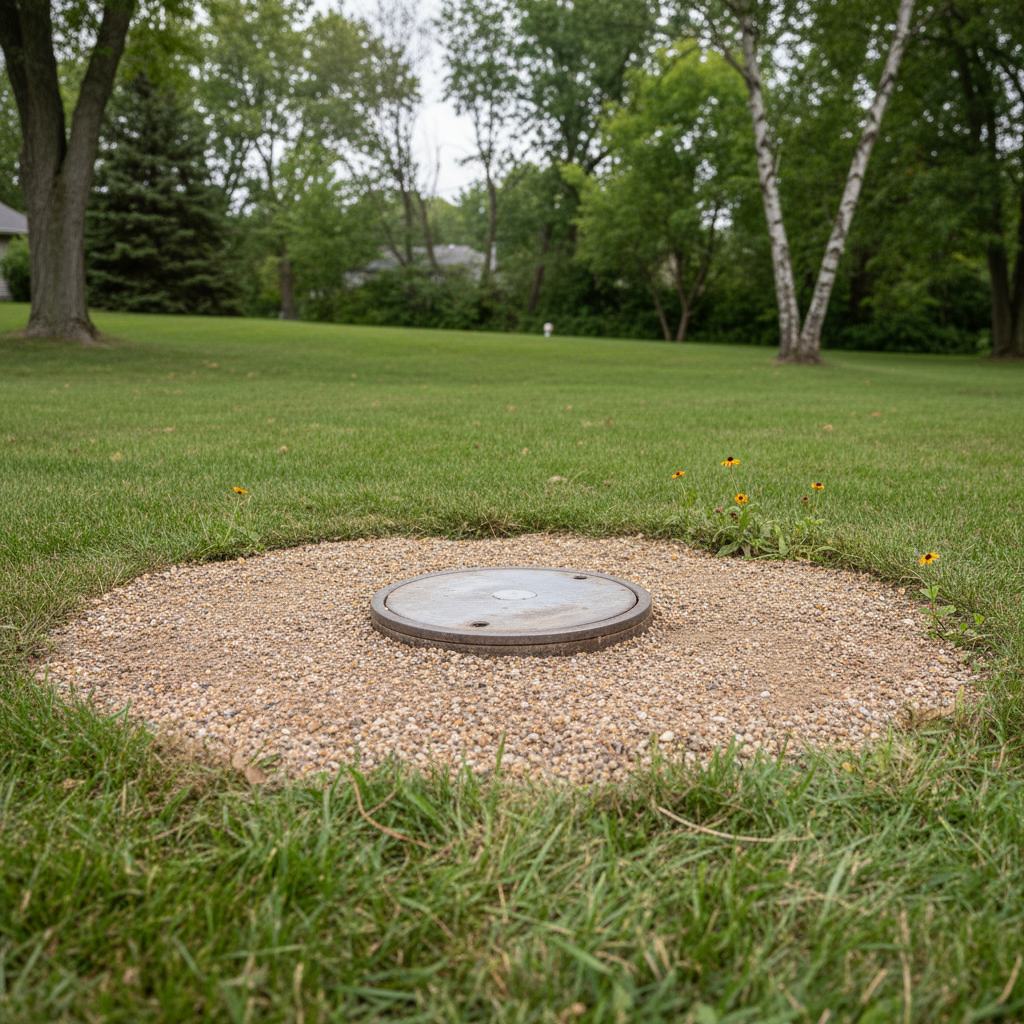
Monitoring Well Installation (If Needed): If the project requires long-term monitoring, we might install small-diameter wells. These are usually capped and secured, often flush with the ground, so they're not a tripping hazard or an eyesore.
Your role during this phase is mostly to stay out of the way, ask questions if you have them, and make sure pets and kids are clear of the work area. Safety first, always.
After the Drilling: What Happens Next?
Once the drilling is done, our job isn't quite over. We'll properly abandon any boreholes that aren't being converted into monitoring wells. This means filling them with bentonite grout to prevent surface water from contaminating deeper aquifers. We'll clean up the site, leaving it as close to how we found it as possible.
Then comes the waiting game for the lab results. This is where you'll get the real answers about what's in your soil or water. Once you have those results, you'll likely need to consult with an environmental consultant. They're the ones who can interpret the data, tell you what it means for your property, and recommend any next steps, like further investigation or remediation.
Environmental drilling might seem like a big deal, but it's a necessary step for understanding and protecting your property and the environment. It's all about getting the right information so you can make informed decisions. If you've got questions about environmental drilling or think you might need it, don't hesitate to give us a call at Mighty Well Drilling. We're here to help Kalamazoo homeowners figure things out.